
Loan Officer | NMLS: 2705100
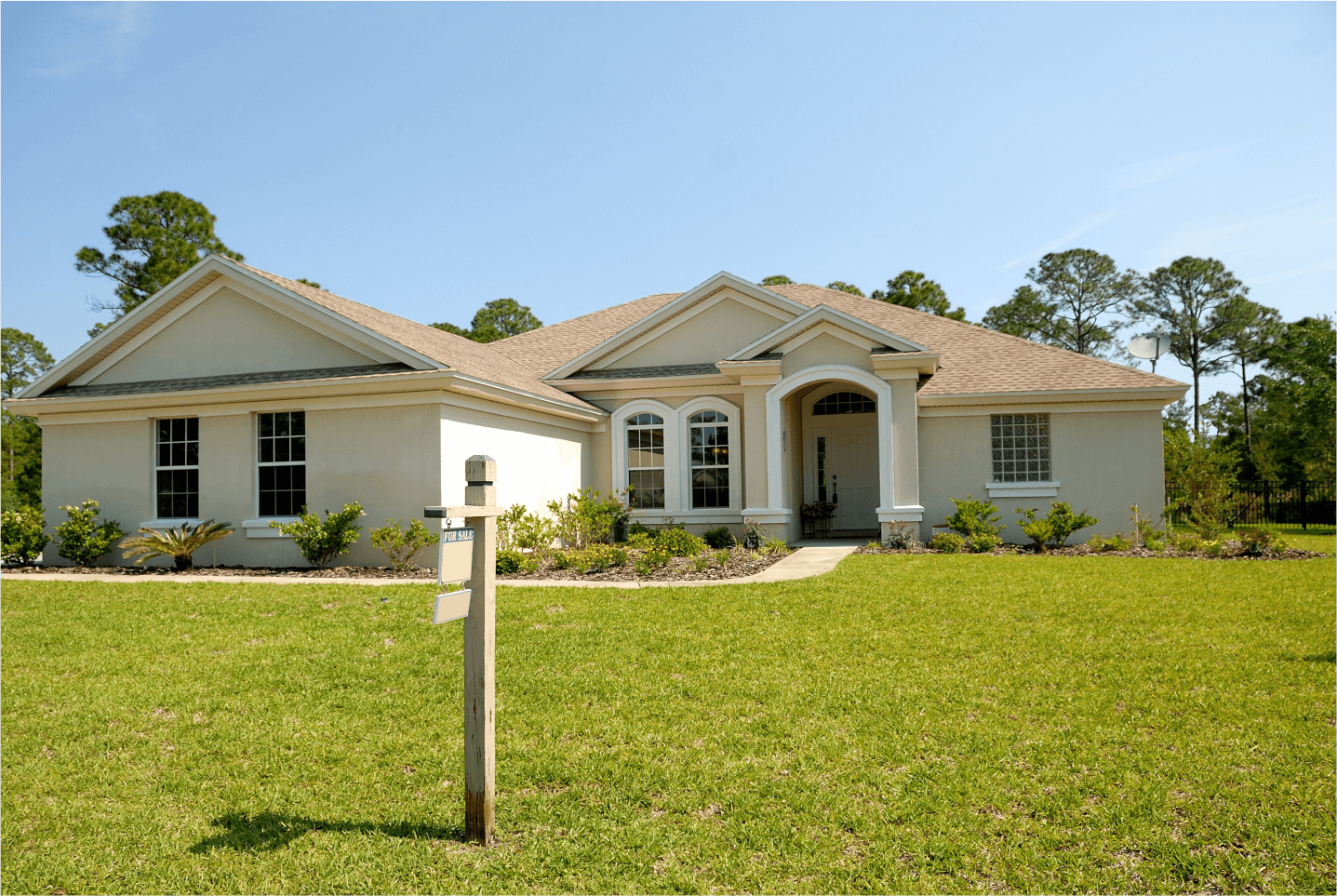
An educational briefing for shoppers searching current mortgage rates and housing conditions across Texas. This content is for general information only.
Rates continued higher. Freddie Mac’s Primary Mortgage Market Survey put the 30-year fixed-rate mortgage at 7.40% as of October 8, 2026, up from 7.28% the prior week. The 15-year fixed averaged 6.73%, up from 6.60%. A year earlier the 30-year average was 6.30%. PMMS reflects an application-based national average for conventional conforming purchase loans with excellent credit and 20% down. It is not a quote for any individual borrower.
Same-day marketplace reads on Monday, October 12, 2026, were in a similar range. Zillow lender-marketplace data reported via Yahoo Finance showed a 30-year fixed purchase average near 7.44%. Aggregator averages move during the day and vary by credit profile, down payment, occupancy, and loan type. All rates are subject to change and are not a commitment to lend.
Texas housing remains resilient but soft on price. The Texas Real Estate Research Center’s September 2026 report (covering July data) showed a statewide median sales price of $339,000, unchanged from a year earlier, with prices down only 0.2% year over year — an improvement from steeper declines earlier in the summer. Active inventory stood near a 5.5-month supply. Zillow data through late summer and early fall also pointed to typical values around the low-to-mid $300,000s with elevated inventory and median days to pending in the mid-40s. Buyers have more choice and more room to negotiate than they did a year ago.
2026 loan limits for a Texas purchase. The conforming conventional baseline is $832,750 for a one-unit home in most of the country, including the large majority of Texas counties. The FHA one-unit floor is $541,287 in most Texas counties. Certain metro areas have higher FHA limits (examples: roughly $571,550 in the Austin area and $563,500 in parts of Dallas-Fort Worth). Always confirm the exact county limit before making an offer. These are educational figures only.
Waiting is a personal decision, not a universal rule. Rates have risen for several weeks and now sit at levels not seen since earlier in 2026. Inventory has expanded and price pressure has eased, which gives active buyers more options and negotiating room than they had when rates were lower and listings were tighter.
The risk of waiting is that rates could stay elevated or move higher, while the best available homes continue to sell. The benefit of waiting is the possibility of a lower rate later, though no one can guarantee the timing or the size of any future move. Many buyers who need to purchase in the next six to twelve months are running the numbers on today’s rate versus a hypothetical lower rate and deciding based on their own timeline, down-payment savings, and how long they plan to stay in the home.
A practical approach is to get fully pre-approved now so you know your actual numbers, then decide whether to shop actively or pause. Pre-approval does not lock a rate and does not obligate you to buy.
For most Texas counties the 2026 FHA one-unit limit is the national floor of $541,287. That amount is well above the statewide median sales price of $339,000 reported by the Texas Real Estate Research Center, so a typical home falls comfortably under the FHA limit in the majority of counties.
A smaller number of higher-cost metro counties have elevated FHA limits. Approximate examples from published 2026 data include about $571,550 in the Austin area and $563,500 in portions of the Dallas-Fort Worth metro. The conforming conventional baseline of $832,750 covers the large majority of Texas homes as well.
Always verify the exact limit for the specific county where the property is located before writing an offer. Limits are set by HUD and FHFA and can differ by county even within the same metro area.
Using the October 8 Freddie Mac 30-year average of 7.40% purely for illustration, principal and interest on a $322,050 loan (5% down on a $339,000 purchase) is approximately $2,230 per month on a 30-year term. With 20% down the loan amount drops to $271,200 and principal and interest falls to roughly $1,878.
The week-over-week increase from 7.28% to 7.40% adds about $26 per month in principal and interest on that same $322,050 example. These figures are principal-and-interest only. They do not include property taxes, homeowners insurance, mortgage insurance, or HOA dues — all of which can be material in Texas.
These are educational examples based on the national survey average. Your actual rate, payment, and total housing cost will depend on credit, down payment, loan type, property location, and the day you lock. They are not a Loan Estimate or a commitment to lend.
Buyers have more leverage than they did a year ago, but it is not uniform. Statewide months of supply near 5.5 and frequent price reductions give room to negotiate on homes that have sat, need updates, or were priced optimistically. Clean, well-located homes that are priced correctly can still attract multiple offers.
Seller concessions (help with closing costs or rate buydowns) remain possible, especially on new construction or on listings that have been active for several weeks. The strength of any concession depends on the specific home, the seller’s motivation, and local competition. A strong pre-approval and a clean offer structure still matter.
The practical takeaway is to look at days on market, price-reduction history, and comparable sales before assuming either strong buyer or seller power. Local conditions vary significantly between Houston, Dallas-Fort Worth, Austin, San Antonio, and smaller markets.
Texas property taxes are among the higher in the nation and can add several hundred dollars per month to the housing payment on a median-priced home. Homeowners insurance, including windstorm or flood coverage in certain areas, is another significant line item. Together, taxes and insurance often represent a larger share of the total monthly cost than many buyers initially expect.
The homestead exemption and other local exemptions can reduce the taxable value, but the exact savings depend on the county, the home’s assessed value, and whether the buyer qualifies. Insurance costs also vary widely by location, construction type, and coverage choices.
When calculating affordability, start with principal and interest, then add realistic estimates for taxes, insurance, and any mortgage insurance. A lender or local tax assessor can provide more precise figures for a specific property. This is general information, not tax advice.
Texas buyers are navigating elevated rates alongside improving inventory and stable-to-soft prices. The 7.40% Freddie Mac average is a clear step higher than recent weeks, yet the broader market still offers more choice and negotiating room than a year ago. Loan limits for both FHA and conventional financing remain ample relative to the statewide median price in most counties.
The most useful next step for most buyers is a full pre-approval that includes taxes and insurance estimates for the areas they are considering. That single number usually answers more questions than tracking the weekly rate survey alone.
1. Should Texas Buyers Wait for Rates to Drop Below 7%?
2. 2026 FHA Loan Limits in Texas: Does $541,287 Cover a Typical Home?
3. What Does a $339,000 Texas Home Really Cost at 7.40%?
Christopher Edwards, Legacy Lending Group
Phone / Text: 307-477-4277
Email: Chris@legacylg.com
Website: www.legacylg.com
Legacy Lending Group is licensed to originate loans in Wyoming, Colorado, South Dakota, and Arizona. This Texas content is educational only and is not an offer or commitment to lend in Texas.
Equal Housing Opportunity. NMLS 2705100. Rates are subject to change and are not a commitment to lend. This material is for educational purposes only and is not legal, tax, or financial advice. Loan approval and terms are subject to credit, income, property, and underwriting guidelines. Confirm current loan limits and program eligibility with a licensed lender in your state.
Loan Officer
Legacy Lending Group | NMLS: 2705100